
BIM Coordinator vs BIM Manager: What’s the Difference?
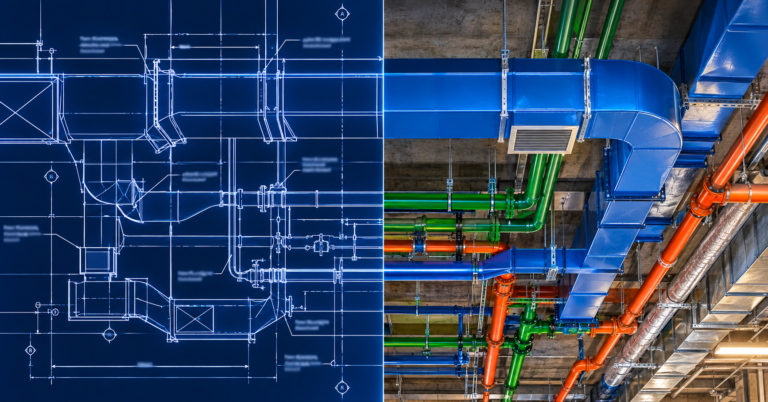
On complex construction projects, BIM is more than a 3D model. It is a shared process that helps architects, engineers, contractors, and trades work from coordinated information before issues reach the field.
Two roles often appear in that process: the BIM coordinator and the BIM manager. They are closely connected, but they are not the same.
A BIM coordinator is usually focused on the day-to-day coordination of models. This includes checking discipline models, identifying clashes, reviewing MEP systems, supporting model updates, and helping project teams resolve constructability issues before installation begins.
A BIM manager works at a broader level. This role often sets BIM standards, manages the BIM Execution Plan, oversees workflows, defines model requirements, and ensures the project team follows the agreed digital delivery process.
In simple terms, the BIM manager sets the strategy. The BIM coordinator helps make that strategy work inside the model.
What Does a BIM Coordinator Do?
A BIM coordinator plays a practical role in keeping project information accurate and buildable. On large healthcare, transit, commercial, and mixed-use projects, this work can include:
- 3D coordinated modelling
- Clash detection and issue tracking
- MEP Revit family creation
- Sheet annotation and tagging
- Common Data Environment coordination
- Support for shop drawings and fabrication drawings
- Coordination between architectural, structural, mechanical, electrical, and plumbing models
This is especially important on projects where multiple trades are working in tight spaces. A coordinated BIM model helps reduce site conflicts, rework, and costly delays.
BIMBAM Designs supports this process through 3D BIM coordination, clash detection, fabrication-ready documentation, and BIM consulting services across Canada and the United States.
What Does a BIM Manager Do?
A BIM manager is responsible for the overall BIM framework. That can include creating or maintaining the BIM Execution Plan, setting LOD and LOI expectations, managing software standards, and making sure the team understands how models should be developed and shared.
While the BIM coordinator is often deep in the model, the BIM manager is usually focused on process, compliance, delivery requirements, and team alignment.
Both roles are important. Without management, the BIM process can become inconsistent. Without coordination, model issues may not be caught early enough to protect the schedule.
Why the Difference Matters
Understanding the difference between a BIM coordinator and BIM manager helps owners, contractors, and consultants choose the right support.
If your project needs model reviews, clash detection, coordinated MEP layouts, or fabrication-ready drawing support, you likely need BIM coordination. If your project needs standards, workflows, CDE setup, BEP development, or full digital delivery oversight, BIM management or BIM consulting may be the better fit.
In many cases, the best result comes from combining both: a clear BIM strategy supported by detailed coordination inside the model.
BIM Coordination Support for Complex Projects
BIMBAM Designs has contributed BIM services to major Canadian projects, including healthcare, transit, commercial, and mixed-use developments. From 3D coordinated modelling to shop drawings, fabrication drawings, quantity takeoffs, and estimation support, our team helps project stakeholders move from design intent to construction-ready information.
If your project needs a BIM coordinator, BIM consulting support, or a more reliable coordination workflow, visit our 3D BIM Coordination Services page or request a project quote through our contact page.